When a Quilt Needs a New Binding, and How to Care for It After
The binding is the part of a quilt that takes the most wear, and it is often the one repair that saves the whole quilt.
October 13, 2026 · 4 min read
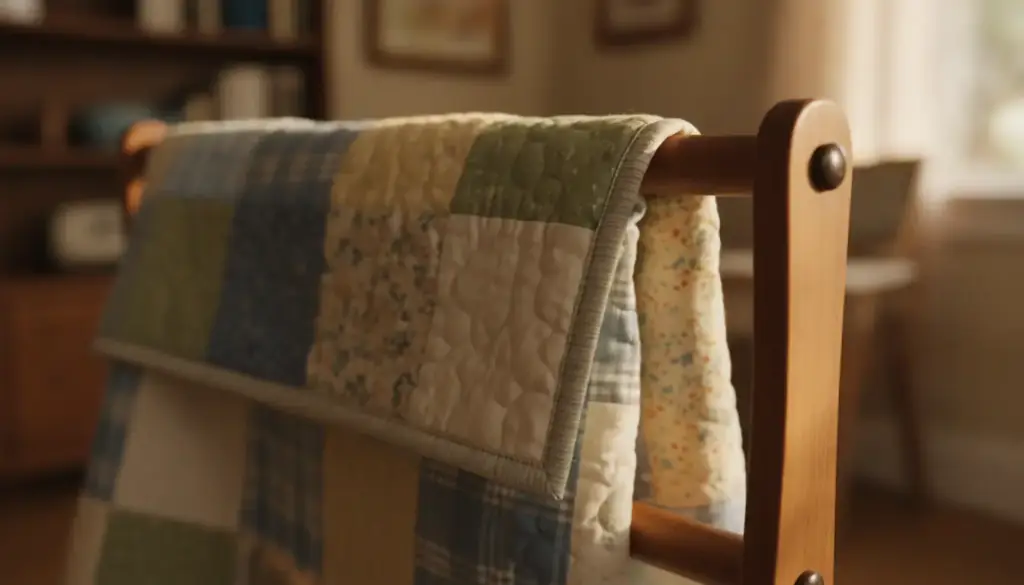
If you have a quilt that's been used and loved, the first place it shows its age is the edge. That narrow strip of fabric folded around the border is the binding, and it does a lot of work. It protects the layers inside, it gives the quilt a clean finish, and it takes the rubbing, tugging and washing that the middle of the quilt never sees. When it wears out, the quilt isn't ruined. A new binding can often give it years more life.
Signs your quilt needs a new binding
You don't have to wait for a disaster. Run your fingers slowly along each edge and look at the corners especially, because corners get the most wear. These are the signals to watch for.
- Frayed or thin fabric along the fold, where the binding looks fuzzy or you can see through it.
- Stitching that has pulled loose, leaving the binding gaping away from the quilt in places.
- Batting showing at an edge or corner, or lumps where the batting has shifted and bunched.
- Small holes at the folded edge, often from years of snagging on furniture or rubbing against a bed frame.
- Stains or fading on the binding that no longer match the quilt top, when you'd like the edge refreshed.
If only a short stretch is worn, a section can sometimes be repaired. If the wear runs most of the way around, replacing the whole binding is usually cleaner, because new fabric next to tired fabric tends to make the old part look worse.
Quilt tops, bindings and whole quilts: what the terms mean
A quilt top is the pieced or patterned layer on the front, before it's layered with batting and backing and quilted. A whole quilt is the finished piece: top, batting, backing and stitching, with the edges bound. Many people come to a seamstress at one of two moments. Either they've finished a quilt top and want it turned into a complete quilt, or they have a finished quilt whose binding has worn out. ALL-SEW works on quilt tops and bindings and on whole quilts, so it helps to know which of those you have when you call.
What to bring and what to say
Bring the quilt itself, and if you have it, any leftover fabric from when it was made. Matching fabric from the original quilt can make a binding look like it was always meant to be there. If you don't have any, you can choose something that matches or frames the colors in the quilt, and a different fabric is a perfectly good option too. A darker binding makes a quilt look crisp and defined. One that blends with the border gives a softer look.
Tell the seamstress how the quilt is used. A bed quilt that gets washed often needs a binding that will take it. A wall hanging or a quilt kept on the back of a couch sees much less stress. A family quilt with sentimental value deserves a conversation about what you want kept exactly as it is.
And mention the size and the date you need it. ALL-SEW works by appointment, and pickup and delivery are available, which helps when the quilt is big and awkward to carry.
Caring for a quilt after repair
A good binding lasts longest when the quilt is treated gently. These habits make the biggest difference.
Wash less than you think you need to. Quilts rarely need washing more than a few times a year unless they're in daily use. When you do wash, use a large machine on a gentle cycle with cool water and a mild detergent, and avoid overloading the drum. A quilt crammed into a small washer gets twisted and stressed at the edges, which is exactly where the binding lives.
Dry it flat when you can, or on low heat. Heat and tumbling are hard on binding stitches. Drying flat on a clean sheet, away from direct sun, keeps colors from fading and keeps the edges from stretching. Never hang a wet quilt by its edges, because the weight of the water pulls on the binding.
Store it loose and clean. Fold the quilt loosely, and change the folds now and then so the same lines don't wear through. Wrap it in a cotton pillowcase or sheet rather than plastic, which traps moisture. Keep it out of attic heat and basement damp.
Finally, check the edges once in a while. Catching one loose stitch early is a small fix, while a binding that's been let go for years becomes a larger one.
ALL-SEW in Nampa has served the Treasure Valley for over 20 years, with quilt tops, bindings and whole quilts among the work we do. To book, call 208-863-2064. It's by appointment, and please call rather than text.
ALL-SEW, 208-863-2064
Call 208-863-2064More articles
How to Get Jeans Hemmed So They Look Like They Came That Way
A good jeans hem is the one nobody notices, and a few choices before you hand them over decide whether you get it.
A Broken Zipper: Repair It, or Replace It?
Most broken zippers can be fixed, and knowing which part failed tells you whether you need a repair or a whole new zipper.